Top 5 Foods for Massive Muscle Gains
Building massive muscle requires not only dedication in the gym but also a commitment to proper nutrition. Here are the Top 5 Foods for Massive Muscle Gains that can help fuel your workouts and support muscle recovery:
- Chicken Breast: Rich in protein and low in fat, chicken breast is a staple for muscle builders. A 3-ounce serving contains around 26 grams of protein, making it an excellent choice for post-workout recovery. Check out more about the benefits of chicken breast in this Healthline article.
- Quinoa: This super grain is not only a great source of carbohydrates but also contains all nine essential amino acids, making it a complete protein. It's perfect for muscle repair and energy. For more details, visit this Medical News Today article.
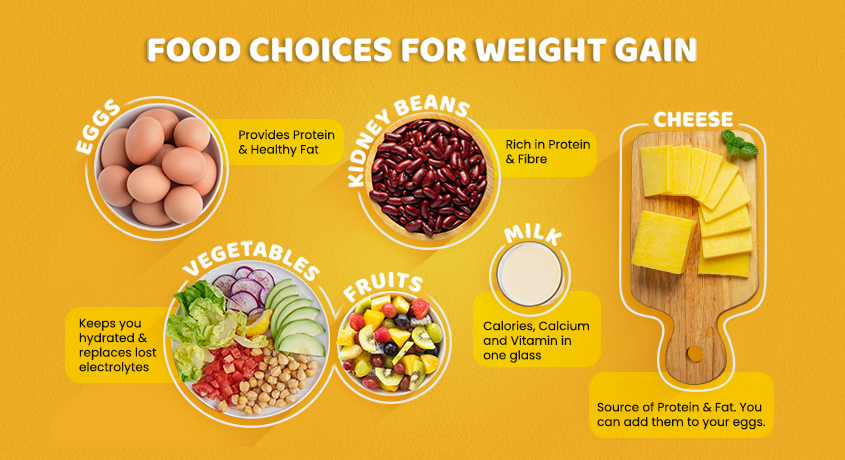
- Eggs: Often referred to as a 'nature's multivitamin', eggs provide high-quality protein and healthy fats. A single large egg contains about 6 grams of protein and essential nutrients that assist in muscle recovery. Chew on this Harvard Health article for more insights.
- Greek Yogurt: Packed with protein, Greek yogurt is a great post-workout snack that also contains probiotics for gut health. It's versatile and delicious, making it easy to incorporate into your diet. Explore the advantages of Greek yogurt on Healthline.
- Salmon: Loaded with omega-3 fatty acids and protein, salmon not only aids in muscle recovery but also helps reduce inflammation. It's a tasty way to support overall health. Learn more about the benefits of salmon in this Eat This article.
The Science Behind High-Calorie Meal Plans
The Science Behind High-Calorie Meal Plans involves understanding the body's energy requirements and how meal composition can significantly impact these needs. High-calorie meal plans are typically designed for individuals with higher metabolic demands, such as athletes, bodybuilders, or those recovering from illness. Research indicates that consuming nutrient-dense foods rich in carbohydrates, proteins, and healthy fats not only helps in achieving caloric surplus but also supports overall health. A well-structured high-calorie meal plan might include foods like avocados, nuts, and whole grains, which are both high in calories and packed with essential nutrients.
Moreover, high-calorie meal plans must be balanced to ensure they provide all necessary nutrients without excessive saturated fats or sugars. Including a variety of food groups can help achieve this balance. For instance, an effective high-calorie meal might feature a combination of lean proteins such as chicken or legumes, complex carbs like quinoa or brown rice, and healthy fats from sources like olive oil or fatty fish. Implementing these strategies will not only help individuals meet their caloric goals but also promote sustained energy levels and improved overall performance.
How to Calculate Your Daily Caloric Needs for Bulking
To effectively calculate your daily caloric needs for bulking, you first need to determine your Basal Metabolic Rate (BMR). This is the number of calories your body requires to maintain basic physiological functions at rest. You can use the Mifflin-St Jeor equation, which is one of the most accurate methods:
- For men: BMR = 10 * weight(kg) + 6.25 * height(cm) - 5 * age(years) + 5
- For women: BMR = 10 * weight(kg) + 6.25 * height(cm) - 5 * age(years) - 161
After calculating your BMR, the next step is to factor in your activity level. Multiply your BMR by an activity factor that corresponds to your lifestyle, ranging from sedentary (BMR x 1.2) to very active (BMR x 1.725). This will give you your Total Daily Energy Expenditure (TDEE). For bulking, you typically want to add an additional 250-500 calories to your TDEE, ensuring that you're in a caloric surplus.
Tracking your caloric intake over time can help you adjust your diet based on your bulking progress. It's essential to monitor not just the calories but also the macronutrient distribution—aim for a diet rich in proteins, healthy fats, and complex carbohydrates. You can utilize various apps or online tools for calorie tracking, such as MyFitnessPal. Remember to consistently assess your weight and adjust your caloric intake accordingly, aiming for a gradual weight gain of about 0.5-1 pound per week, which is considered a healthy gain rate.